
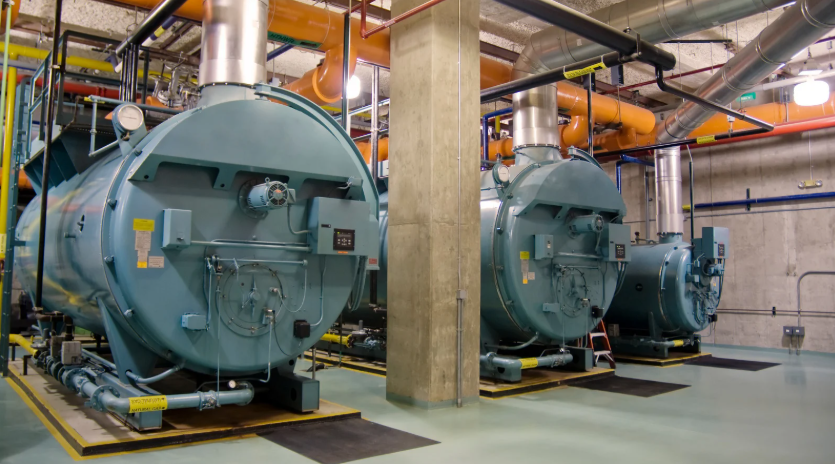
Commercial facilities are shifting toward smarter, more efficient heating solutions. With operating costs and sustainability targets under scrutiny, smart boiler technology has become a cornerstone of modern energy management. These intelligent systems merge automation, analytics, and precision engineering to deliver superior temperature control and long-term cost savings. Implementing a commercial boiler in Oklahoma with these advanced capabilities ensures consistent performance and measurable energy reduction across large-scale operations.
Intelligent Heating Systems for Modern Efficiency
Traditional boilers have served for decades, but often fall short in precision and adaptability. Smart boilers, however, utilize built-in sensors, digital controls, and real-time data processing to automatically regulate output. This self-optimizing mechanism not only improves performance but also ensures energy is used only when needed.
Businesses adopting intelligent heating solutions benefit from reduced fuel consumption, greater reliability, and minimal system downtime. These boilers can adapt to changes in occupancy, weather patterns, and building demands, creating an environment of consistent comfort and operational efficiency.
Remote Control and Predictive Performance
Smart technology has redefined system management through remote access and monitoring. Facility managers can now track performance, review diagnostics, and receive maintenance alerts directly from connected dashboards. This capability allows for quick action when irregularities arise, minimizing the risk of costly breakdowns.
Beyond remote management, predictive algorithms analyze usage data to forecast maintenance needs. This proactive approach helps extend system lifespan and ensures continuous efficiency throughout the heating cycle. When integrated with broader building management systems, smart boilers create a cohesive energy ecosystem that enhances overall performance.
Enhancing Energy Optimization through System Design
Energy efficiency is a primary objective for any commercial operation. Smart boilers leverage advanced combustion controls and heat recovery systems to minimize waste. By optimizing temperature regulation and reusing residual heat, these systems achieve significantly higher performance ratings compared to traditional models.
Modern facilities that incorporate intelligent control systems can fine-tune performance based on their existing setup. Various configurations, such as fire-tube, water-tube, or condensing designs, each serve different energy and capacity needs. Understanding how different types of commercial boiler systems interact with smart technology is key to maximizing efficiency and output. Intelligent integration ensures the boiler adapts seamlessly, regardless of operational load or environmental conditions.
Professional Installation and Ongoing Maintenance
Even the most sophisticated system requires expert handling. Professional installation ensures that smart boilers are properly calibrated, integrated, and aligned with safety standards. Certified technicians fine-tune every component to guarantee reliable and efficient operation.
Scheduled professional maintenance is equally vital. Technicians can update system software, check sensor accuracy, and identify inefficiencies early, preventing future performance issues. This commitment to precision ensures both operational stability and long-term return on investment.
Conclusion
Smart boiler technology is transforming the commercial heating landscape. By combining automation, adaptive intelligence, and energy efficiency, it delivers unparalleled reliability and sustainability. Businesses that embrace intelligent heating systems position themselves at the forefront of performance innovation, achieving reduced costs, consistent comfort, and a forward-focused energy strategy.
As energy regulations tighten and sustainability benchmarks rise, organizations that transition to smart heating solutions gain a competitive advantage. These systems not only support environmental goals but also enhance asset value, operational resilience, and long-term profitability.