
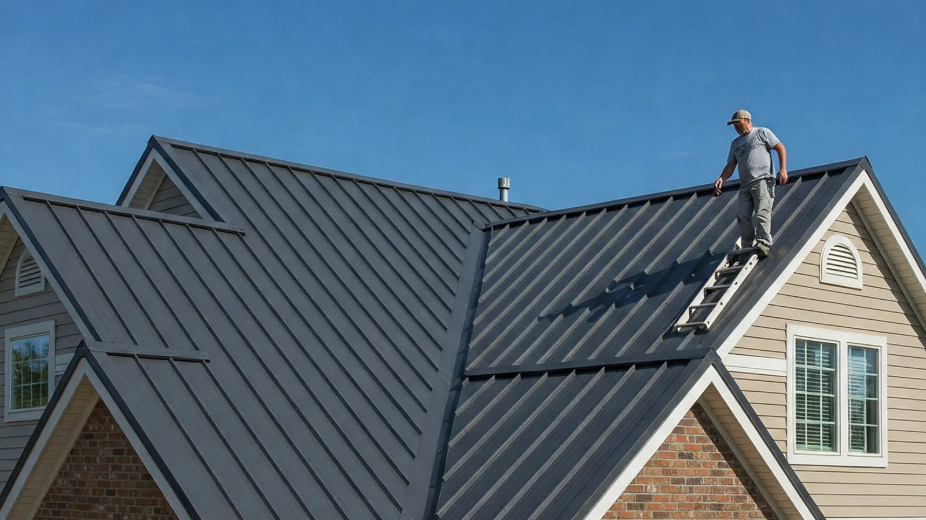
Roofing systems take a year-round beating, from heavy summer UV exposure to winter ice buildup, and without proper maintenance, even high-quality installations degrade faster than expected. Regular upkeep not only extends the lifespan of your roof but also protects the structural integrity of your entire property. For those seeking professional guidance in seasonal upkeep, working with an experienced roofer in Johns Creek ensures your roof is prepared for all environmental conditions.
Ignoring early signs of wear often results in costly emergency repairs. Consistent maintenance helps catch issues before they become major liabilities.
Seasonal Inspections and Preventive Checks
Every season brings unique threats that require targeted inspections. Spring is the time to check for winter damage, ice dams, cracked flashing, and broken shingles, which can all lead to water intrusion if left unaddressed. Summer inspections should focus on UV damage, thermal cracking, and any structural movement caused by fluctuating temperatures. Fall is ideal for clearing debris and inspecting gutters before the rainy season, while winter preparation includes ensuring proper attic ventilation and ice dam prevention.
Scheduling these checks with a professional guarantees a thorough evaluation of high-risk areas such as valleys, eaves, chimneys, and penetrations. A trained eye can detect vulnerabilities that may be invisible to the untrained homeowner.
Cleaning and Debris Management
Leaves, branches, and organic buildup are more than cosmetic issues; they create conditions for moisture retention and mold growth.
Keeping the roof surface and gutters clean ensures proper water flow during rain and melting snow. Blocked drainage can back up under shingles or into soffits, leading to rot or insulation damage. Regular debris removal, particularly after storms or during fall, prevents long-term deterioration.
Professionals use safe, non-invasive methods to clean without damaging surface materials or protective coatings. Avoiding harsh chemical treatments or pressure washing is essential to maintain the roof’s integrity.
Flashing, Seals, and Penetration Checks
Areas around vents, skylights, chimneys, and solar panels are common failure points if not properly sealed.
Routine maintenance includes checking that flashing is intact, caulking hasn’t cracked, and fasteners remain secure. Any lapse in these areas creates direct paths for moisture and pests. Identifying these issues early is far more cost-effective than replacing decking or interior drywall after a leak is discovered.
Working with a qualified contractor ensures repairs are done using compatible materials and techniques specific to your roof’s design and age.
Knowing the Right Questions to Ask
Ongoing maintenance requires more than physical checks; it also calls for clear communication with your roofing professional. Understanding what questions you should ask a roofing contractor can help set expectations and ensure you’re receiving the correct services. From clarifying warranty terms to evaluating repair vs. replacement scenarios, asking the right questions drives smarter decisions and protects your investment over time.
Engaged homeowners who collaborate with transparent, experienced contractors often see fewer issues and longer roof life as a result.
Conclusion
Maintaining a roof through all seasons is not about reacting to damage; it’s about preventing it. Regular inspections, debris management, seal integrity checks, and informed contractor communication all work together to keep your roof in peak condition. When managed by professionals, seasonal maintenance becomes a strategic investment that preserves your property, safeguards your finances, and eliminates the uncertainty of unexpected roofing failures. A proactive approach ensures your home stays protected, regardless of what the weather throws at it.