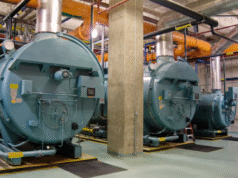

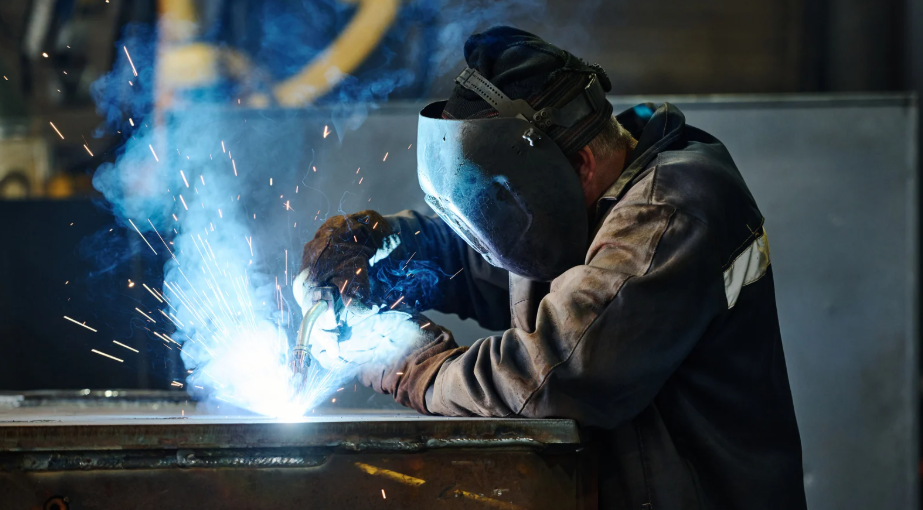
Industrial environments such as manufacturing plants, welding stations, chemical processing units, and laser cutting facilities produce hazardous fumes that can severely impact both worker safety and operational efficiency. Installing a fume extraction system is fundamental for controlling airborne contaminants that threaten respiratory health, compromise visibility, and create combustible atmospheres. In workplaces where precision and safety are paramount, these systems are not just supportive add-ons, they are essential infrastructures for maintaining a compliant and high-performance environment.
Understanding the Risk of Industrial Fumes
High-risk environments often involve processes that release toxic gases, fine particles, and volatile organic compounds. These contaminants can quickly disperse throughout a facility, creating invisible health hazards. Continuous exposure can lead to respiratory illness, chronic lung conditions, and workplace fatigue. Airborne particles may also interact with sensitive machinery, leading to overheating, corrosion, and mechanical failure.
These hazards often go undetected until they begin affecting employee health or equipment reliability, making proactive extraction a critical preventive measure.
The Mechanism Behind Effective Air Extraction
A deeper understanding of how does a fume extraction system work helps illustrate its importance in industrial operations. These systems are engineered to capture contaminants directly at the source, preventing toxins from spreading throughout the workspace. Advanced filtration components then separate particulates and gases from the air, ensuring that only clean, purified air is recirculated or safely expelled from the facility.
Protecting Workforce Health and Well-Being
When airborne contaminants are not properly managed, employee health becomes compromised, resulting in increased sick days and reduced productivity. Fume extraction systems improve air quality, which in turn enhances focus, reduces fatigue, and supports respiratory health. This leads to stronger workforce performance and better long-term retention.
Ensuring Health and Safety Compliance
Regulatory agencies emphasize strict control of indoor air quality in industrial facilities. Failure to implement proper extraction systems not only exposes employees to health risks but can also result in fines and operational shutdowns. Installing fume extraction technology demonstrates compliance and a proactive approach to workplace safety, safeguarding both employees and the organization.
Enhancing Equipment Reliability and Process Efficiency
Beyond health concerns, particulate buildup can compromise machinery performance and shorten equipment life cycles. Contaminants settle on sensors, lenses, and filters, affecting precision and causing unexpected maintenance interruptions. A properly designed fume extraction system minimizes downtime by preserving equipment integrity and enabling smooth, consistent workflow.
Supporting Operational Excellence
Maintaining clean air is directly linked to product quality and process efficiency. Extraction systems help reduce production defects, increase visibility, and optimize environmental stability. In high-precision industries, these advantages are critical for meeting output standards and maintaining competitive edge.
Mitigating Fire and Explosion Hazards
Certain fumes generated during industrial processes are combustible. In enclosed environments, these particles can reach ignition concentration rapidly, increasing the risk of explosions. Fume extraction systems actively prevent accumulation, reducing ignition potential and creating a safer environment for both workers and equipment.
A Strategic Investment in Industrial Safety
Rather than being treated as optional, extraction systems must be viewed as essential components of facility infrastructure. They not only fulfil safety obligations but also contribute to long-term business continuity and performance optimization.
Conclusion
A fume extraction system is indispensable in high-risk industrial environments where air quality directly impacts safety, productivity, and equipment longevity. By capturing dangerous contaminants at the source and maintaining clean operational air, these systems strengthen regulatory compliance and protect workforce health. Investing in advanced extraction technology ensures a safer, more efficient industrial environment while laying the foundation for sustainable operational success.