
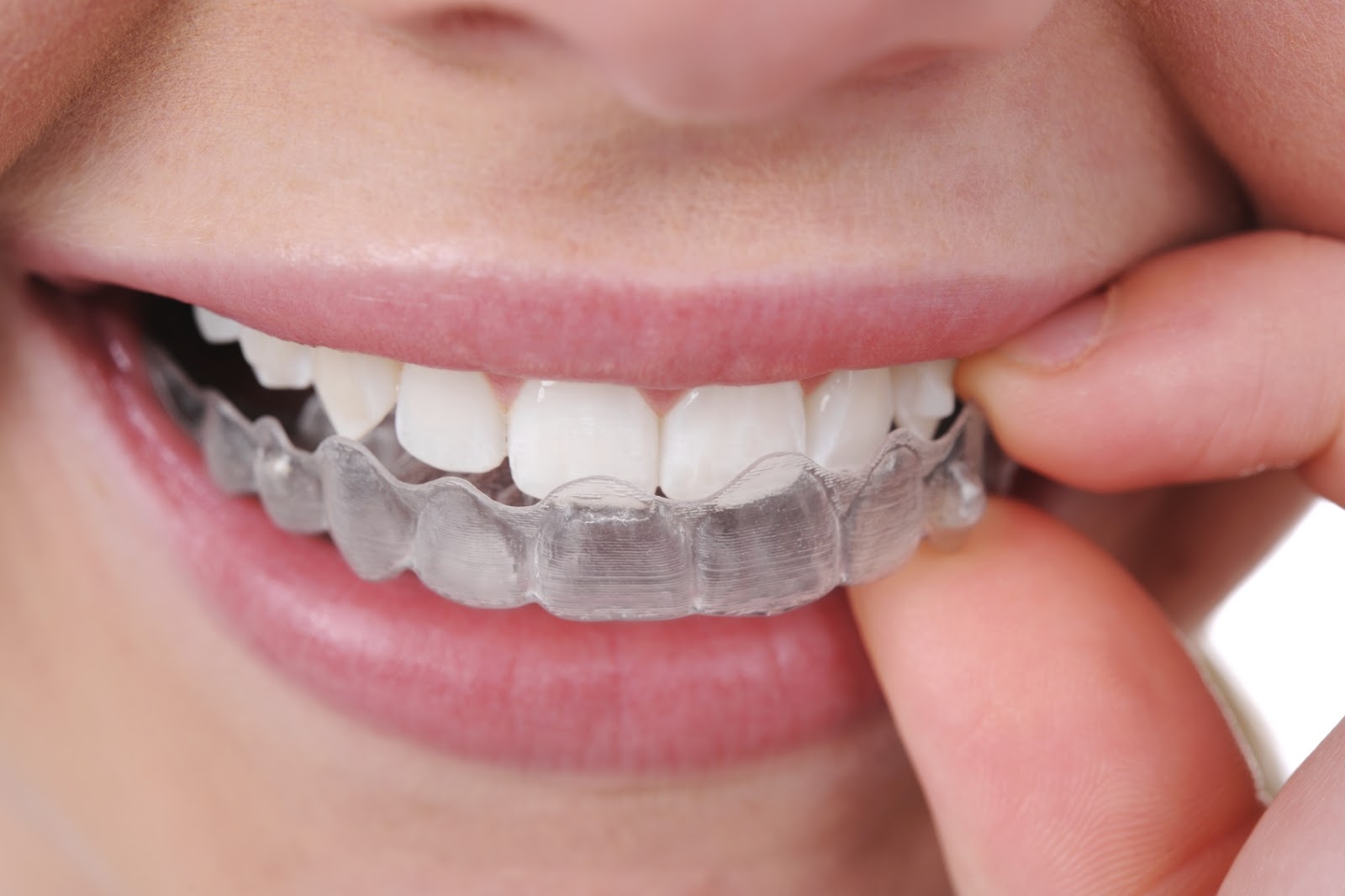
Thinking about straightening your teeth with clear aligners can stir up hope and doubt at the same time. You want a better smile. You also want to know what you are signing up for. Before you commit, you need clear answers to a few hard questions. A trusted family dentist in Garland can explain how Invisalign works, how long it might take, and what it demands from you each day. You also need to know what it costs and what results you can expect. This post walks you through four key questions to ask before you start. Each question helps you protect your time, your money, and your health. By the end, you will know if Invisalign is a smart choice for you or if another path fits you better.
1. Are my teeth and gums healthy enough for Invisalign?
Clear aligners move teeth. That movement puts pressure on bone and gums. If your mouth is not healthy, that pressure can cause harm.
Ask your dentist these questions.
- Do I have untreated cavities
- Do I have gum disease
- Is my bone strong enough to move teeth
Your dentist should do a full exam. That means X-rays, gum measurements, and a close look at old fillings or crowns. The goal is simple. Fix active problems before moving one tooth.
The Centers for Disease Control and Prevention explains how common gum disease is and why treatment matters in daily life.
Use this quick checklist.
- No ongoing tooth pain
- No loose teeth
- Gums that do not bleed every time you brush
If you answer no to any item, ask about treatment first. Clear aligners work best in a clean, calm mouth. Pain and infection drain your energy and can turn a simple plan into a drawn-out struggle.
2. Will Invisalign fix my specific bite and crowding
Invisalign can help many people. It does not help every case. You need to know where you stand.
Ask your dentist to explain in plain words.
- What is wrong with my bite
- How crowded or spaced are my teeth
- Will Invisalign fix this or only improve it
Some bite problems need braces or even surgery. Clear aligners may not control certain tooth movements. For example, large jaw shifts or very twisted teeth may need brackets and wires.
Request these three things.
- Photos of your teeth from the front and sides
- A short written plan that lists the main goals
- An honest statement about the limits of Invisalign in your case
You can also learn what a healthy bite looks like from dental school resources. Here is a clear overview from the University of Michigan School of Dentistry: Understanding malocclusion.
If your dentist seems unsure, ask about a referral to an orthodontist. The right match between your mouth and the method saves time and strain.
3. What will Invisalign cost me in money and daily effort
Aligners look simple. The commitment is not simple. You pay with money and with daily habits.
Key cost questions.
- What is the total fee from start to finish
- What is included in that fee
- What costs extra
Ask if the price covers these three parts.
- All aligners and office visits
- Any repairs or extra aligners if teeth do not track as planned
- Retainers and follow-up checks after you finish
Also, ask your dental plan what it will pay. Many plans cover only part of adult orthodontic care or set a lifetime cap.
Daily effort matters as much as money. Invisalign works only if you wear each tray about 20 to 22 hours every day. You remove them to eat, drink anything except water, and clean your teeth. Then you put them right back in.
Use this table to compare Invisalign with traditional braces.
| Feature | Invisalign | Traditional braces |
|---|---|---|
| Wear time each day | About 20 to 22 hours | 24 hours |
| Eating | Remove trays. No food with trays in. | Eat with braces on. Avoid hard or sticky food. |
| Cleaning teeth | Brush and floss as usual. Clean trays too. | Brush and floss around wires and brackets. |
| Office visits | Every 6 to 8 weeks in many cases | Every 4 to 8 weeks in many cases |
| Personal control | High. You must keep trays in. | Low. Braces stay on teeth. |
Think about your daily life. If you snack often, travel a lot, or forget things, you may struggle to keep trays in your mouth. Honest self review now prevents regret later.
4. What happens after I finish Invisalign
Teeth always try to move back. That pull never stops. A clear plan for life after Invisalign protects your hard work.
Ask these questions before you sign up.
- What kind of retainer will I wear
- How many hours per day at first
- How long will I need any retainer
Many people wear retainers full-time for a few months. Then only at night. Some need night retainers for many years. This is normal. It is not a sign of failure. It is how teeth stay in place.
Also ask.
- How often will you check my teeth after treatment
- What happens if teeth shift again
- Will there be a fee for touch-up aligners
Routine care is more effective after treatment when you stay on track with cleanings and checkups. Regular visits let your dentist watch for small shifts, worn spots, or grinding. Early action keeps your bite stable and your smile steady.
How to decide if Invisalign is right for you
By now you know the core questions.
- Is my mouth healthy enough
- Will Invisalign fix my bite
- Can I afford the cost and the daily effort
- Am I ready for life with retainers
Bring these questions in writing to your visit. Ask for straight answers. If something feels unclear, pause and ask again. You are not being difficult. You are guarding your health.
Clear aligners can shift more than teeth. They can change how you feel when you speak, eat, and smile. With the right plan, that change can feel steady and safe. With the wrong plan, it can feel rushed and heavy.
Take your time. Listen to your gut. Then choose the path that fits your mouth, your budget, and your daily life. Your future self will thank you every time you bite, chew, and smile without worry.
Apart from that, if you want to know more about Care For Your Child’s Teeth: Tips For Every Age then visit our Health category.