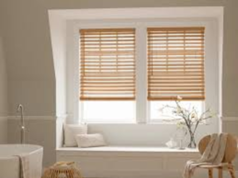


Sleep is one of the most undervalued aspects of interior design. While many homeowners focus on furniture, wall colors, or decorative accents, windows quietly control the mood, light, and privacy in a bedroom—all factors that significantly affect restfulness.
Thoughtful window treatments transform a room from merely functional to a serene retreat. They help regulate light, dampen noise, and provide tactile warmth, setting the tone for relaxation. Custom curtains, for instance, allow you to tailor fabric, length, and fullness precisely to your space, blocking unwanted light while adding a polished, intentional look. When layered strategically, they help bedrooms feel cocoon-like without sacrificing style or flexibility. So, let’s spill some designer tea for you!
1. Control Light Without Compromising Style
Light is both a blessing and a challenge in bedrooms. Harsh sunlight in the morning can disrupt sleep, while streetlights or passing cars can disturb a restful night. This is where gray window roman shades can play a pivotal role. Their deep, neutral tone blocks or softens incoming light, creating a calming visual backdrop while still maintaining a modern aesthetic.
Unlike heavy drapery that can make a room feel boxed in, these shades can be paired with lighter, flowing layers to gently filter sunlight during the day while ensuring darkness at night. Layering also allows flexibility for different lifestyles—early risers can enjoy soft morning light, while night owls can maintain complete darkness for uninterrupted rest.
2. Fabric Matters: Texture, Weight, and Adaptability
The choice of fabric can define the comfort level of your bedroom. Heavier fabrics, such as lined velvet or thick linen blends, not only block light but also dampen sound, providing a cocoon-like quality that encourages rest. Lighter fabrics, like cotton or silk blends, introduce softness and movement, making the room feel airy yet grounded.
Layering a structured shade with flowing custom curtains adds depth and visual interest while offering precise control over light levels. This combination also adapts beautifully to seasonal changes: breathable fabrics in summer keep the space airy, while thicker panels in winter provide insulation, ensuring that the room remains cozy year-round without sacrificing style.
3. Proportion and Installation: The Subtle Power of Placement
Even the most beautiful fabrics can look off if not installed thoughtfully. Hanging curtains slightly above the window frame draws the eye upward, making ceilings appear taller and rooms more spacious. Conversely, ill-fitting or too-short treatments can make a bedroom feel cramped and unfinished.
Full-length floor-to-ceiling curtains that just graze the floor lend elegance and a grounded sense of comfort. Pairing these with custom roman shades ensures both functionality and harmony, balancing clean architectural lines with soft, inviting textures. The interaction of height, width, and fabric drape subtly shapes the bedroom’s overall perception, making it feel considered and restful rather than haphazard.
4. Color, Pattern, and Mood
Bedrooms thrive on calm, muted color schemes, but that doesn’t mean window treatments have to be boring. Soft neutrals like grays, muted blues, and warm taupes provide a soothing backdrop, while gentle patterns such as tone-on-tone stripes or subtle geometrics can add visual interest without disrupting the sense of tranquility.
Texture is equally important—nubby linens or soft woven cottons feel tactile and inviting, enhancing comfort. Carefully chosen window treatments integrate with other design elements, guiding both mood and routine. Subtle layering, thoughtful color selection, and harmonious patterns make windows feel intentional, supporting the bedroom’s ultimate goal: restorative, uninterrupted sleep.
5. Layering for Function and Style
Layering is the secret to combining beauty with practicality. Pairing custom curtains with roman shades or sheers gives complete control over light, privacy, and airflow. A heavier drape can block light for early mornings or naps, while an underlying sheer layer allows daylight to filter in gently.
Layering also provides a tactile richness that single treatments can’t achieve, making the bedroom feel cozy and complete. Beyond aesthetics, this approach enhances functionality, offering insulation, noise reduction, and adaptable light control—all critical elements for creating a bedroom that truly supports rest and relaxation.
Final Thoughts
Window treatments are more than decorative details; they are vital contributors to comfort, sleep quality, and overall bedroom harmony. By combining thoughtful fabric choice, color, proportion, and layering with custom curtains and gray window roman shades, homeowners can craft a bedroom that feels both restful and stylish. When executed intentionally, these treatments transform a simple room into a sanctuary, creating a space that nurtures sleep, relaxation, and well-being night after night.
If you want to know about Top 5 Living Room Window Treatment Ideas then visit our Home improvement category.