
Your child’s smile carries more than charm. It carries health, confidence, and comfort. Teeth shape how your child eats, speaks, and even sleeps. Yet many parents feel unsure about what to do at each age. Baby teeth, first permanent teeth, braces, wisdom teeth. Each stage brings new questions and quiet worry. This guide walks you through clear steps from birth through the teen years. You will see what to do at home, what to expect at checkups, and when to call a Wichita Falls dentist. You will learn how to clean tiny gums, manage thumb sucking, handle sugar, and guide your teen through better choices. You do not need special training. You need steady habits, simple tools, and honest support. With the right care at the right time, your child can grow up with strong teeth, less pain, and fewer urgent visits.
Birth To Age 1: Protect The First Smile
Care starts before the first tooth. You protect the mouth now so teeth can break through clean and strong.
- Wipe your baby’s gums with a soft, clean cloth after feedings.
- Never put your baby to bed with a bottle that has milk or juice.
- Use only breast milk, formula, or water in bottles.
Once you see the first tooth, switch to a small soft toothbrush. Use a smear of fluoride toothpaste the size of a grain of rice. The American Academy of Pediatrics explains that early fluoride use lowers decay risk.
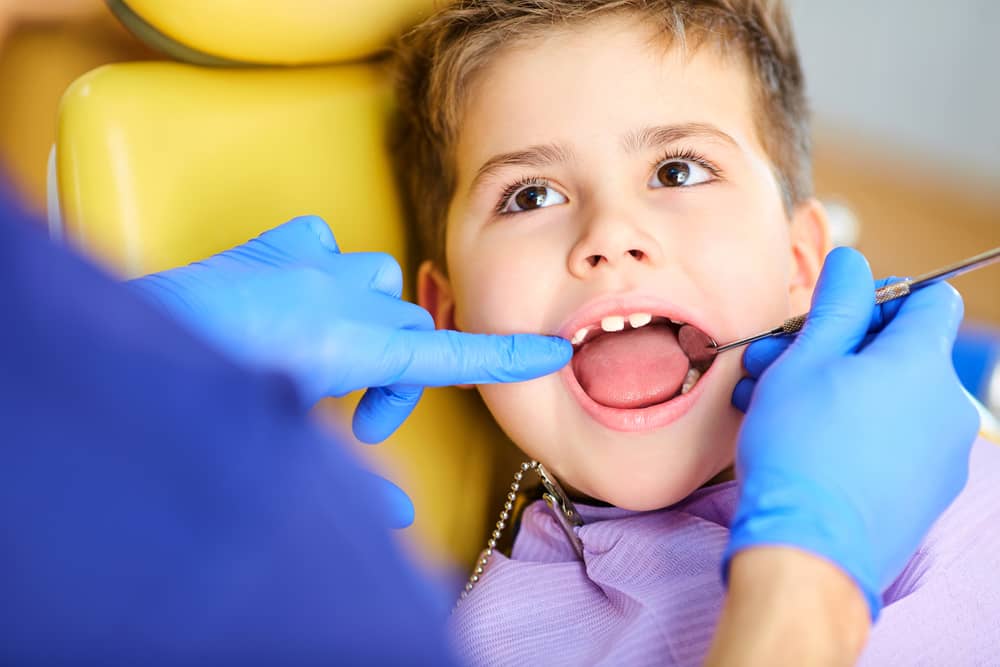
Plan the first dental visit by age 1 or within 6 months of the first tooth. Early visits calm fear and catch problems that you cannot see.
Toddlers And Preschoolers: Build Daily Habits
From ages 1 to 5, your child learns routines. Teeth need steady care during this time.
- Brush twice a day for 2 minutes.
- Use a rice-sized smear of fluoride toothpaste until age 3.
- From 3 to 5, use a pea-sized amount of fluoride toothpaste.
- Help your child brush. Do not trust solo brushing yet.
Limit snacks that stick to teeth. Candy, gummies, crackers, and chips cling and feed germs. Offer water between meals. Give milk only at meals. Never share spoons or clean pacifiers with your mouth. That passes cavity germs to your child.
Thumb sucking and pacifiers comfort young children. Yet strong sucking after age 3 can change jaw growth and tooth position. Talk with your dentist if the habit seems hard to stop. Use praise for dry thumbs. Use gentle reminders. Never shame your child.
School Age: Balance Food, Fun, and Checkups
From ages 6 to 12, baby teeth fall out, and permanent teeth move in. This period shapes the bite for life.
- Brush twice a day with fluoride toothpaste.
- Start flossing once teeth touch.
- Check brushing until at least age 8.
Permanent molars often break through behind baby teeth around age 6. These teeth decay fast. Many dentists place sealants. Sealants are thin coatings on the chewing surfaces. They block food and germs from hiding in grooves. The Centers for Disease Control and Prevention explains how sealants prevent most decay in molars.
Sports add risk. Use a mouthguard for contact sports like football, basketball, hockey, and soccer. A simple guard can prevent broken teeth and cut lips.
Teens: Support Choices And Independence
Teens want control. You guide from the side. Teeth now face sugar drinks, snacks, stress, and less sleep.
- Keep the rule of two. Brush two times a day for two minutes.
- Stock water, fruits, cheese, and nuts at home.
- Limit sports drinks, soda, and energy drinks.
- Encourage flossing at night when there is more time.
Braces and clear aligners trap food. Teens with orthodontic treatment need extra care. Use floss threaders or small brushes between wires. Missed cleaning leads to white spots and decay that stay long after braces come off.
Talk openly about lip and tongue piercings, vaping, and tobacco. These harm gums, stain teeth, and slow healing. Link choices to things teens care about. Fresh breath. Clear skin. Strong energy. Honest talk builds trust.
Age Based Guide At A Glance
| Age | Brush And Floss | Dentist Visits | Key Focus |
|---|---|---|---|
| Birth to 1 | Wipe gums after feedings | First visit by age 1 | Prevent bottle decay. Start with comfort with the dentist. |
| 1 to 5 | Adult brushes twice daily. Small fluoride toothpaste. | Every 6 months or as advised | Build habits. Limit sugar. Watch sucking habits. |
| 6 to 12 | Child brushes with help. Start daily flossing. | Every 6 months | Sealants. Sports mouthguards. Guide food choices. |
| 13 to 18 | Teen brushes and flosses. Parent checks sometimes. | Every 6 months | Support choices. Manage braces. Talk about risky habits. |
When To Call A Dentist Right Away
Some signs need quick care. Do not wait and hope they fade.
- Tooth pain that lasts more than one day.
- Swelling in the face or gums.
- Bleeding gums that do not stop.
- White or brown spots on teeth.
- Baby tooth knocked out or pushed out of place.
Call your child’s dentist or a Wichita Falls dentist if you live nearby. Quick care protects the tooth and eases fear.
Stay Steady And Keep It Simple
Your child does not need perfect teeth. Your child needs clean teeth and kind support. You set the tone.
- Brush and floss together when possible.
- Use short, honest words about what happens at the dentist.
- Celebrate small wins like a week of brushing without reminders.
Step by step, year by year, these simple actions protect your child’s mouth. They also protect sleep, school focus, and self-respect. Teeth do not take a day off. Your care does not need to either. It only needs to stay steady.
Apart from that, if you want to know more about Understanding Functional Medicine: A Root-Cause Approach to Wellness then visit our Health category.