

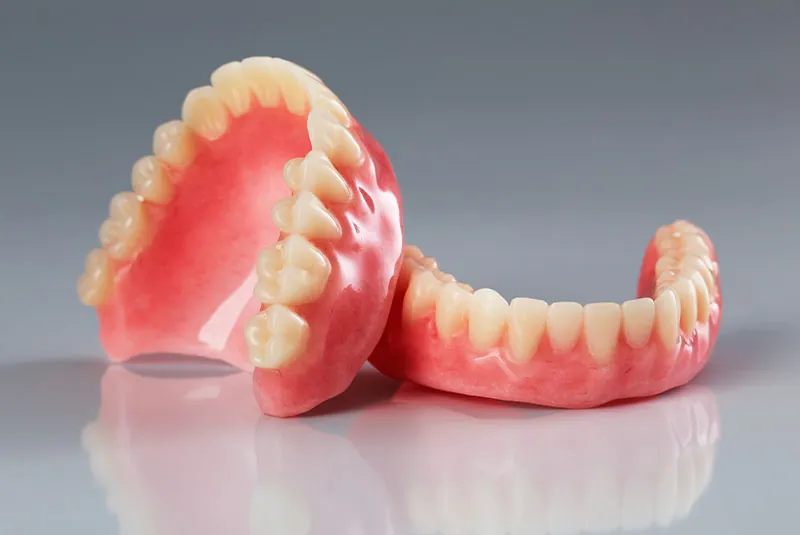
Tooth loss can hit hard. You may feel older, less sure of yourself, or afraid to smile. You are not alone. Many people in our community live with missing teeth. Today you have strong options that do not pinch, slip, or rub your gums raw. Modern dentures and partial dentures fit better. They look like real teeth. They let you eat, speak, and smile with less worry. This guide explains what you can expect, how new materials work, and what choices match your daily life. It also explains how a Clearwater family dentist can adjust and fine tune your dentures so they feel steady in your mouth. You deserve teeth that let you chew your food, protect your jaw, and face others without shame. You can start with simple steps and clear facts.
Why Tooth Loss Happens
Tooth loss can come from three main causes.
- Tooth decay that went untreated
- Gum disease that weakened bone and tissue
- Injury from falls, sports, or accidents
Older adults lose more teeth. Yet younger adults and teens can also lose teeth after trauma or deep decay. The Centers for Disease Control and Prevention reports that many adults over 65 have lost all their teeth. Tooth loss is common. You did not fail. You now need a clear plan.
Full Dentures vs Partial Dentures
You first need to know how many teeth you have left that can stay healthy. That choice guides the type of denture.
| Feature | Full Dentures | Partial Dentures |
|---|---|---|
| What they replace | All teeth in the upper jaw, lower jaw, or both | Several missing teeth while you keep the rest |
| Support | Rest on gums and underlying bone | Attach to nearby teeth with small clasps or devices |
| Best for | Mouths with no usable teeth in that jaw | Mouths with strong teeth that can stay in place |
| Look | Full row of teeth with gum colored base | Replaces gaps and blends with natural teeth |
| Stability | May need adhesive or implant support | Often more steady because they clip to teeth |
| Cleaning | Remove and clean each day | Remove and clean each day, plus care for natural teeth |
You and your dentist can review this table together. You can then choose what supports your speech, chewing, and face shape.
Today’s More Comfortable Materials
Past dentures felt hard and rough. Current options use lighter and more flexible materials. These include three main types.
- Acrylic bases that match your gums
- Metal frameworks that give strength with less bulk
- Flexible nylon style bases that can hug the gums
These materials spread pressure across your gums. They also let your dentist trim and polish tiny spots that rub. Your mouth changes over time. Your denture can change with it through regular checks and relines.
How Dentures Are Made Step by Step
The process follows a clear series of visits.
- Exam and plan. You talk about your health, medicines, and goals. Your dentist checks teeth, gums, and bone.
- Impressions. Soft trays record the shape of your mouth.
- Bite record. You try wax blocks so your dentist can measure how your jaws meet.
- Try in. You test a wax model with teeth set in place. You check color, shape, and length.
- Final denture. A lab makes the real denture. You pick it up and your dentist makes first small changes.
- Follow up. You return for pressure checks and more fine work.
Each visit has a clear purpose. You can ask about each step and speak up if something hurts or feels wrong.
What Dentures Can and Cannot Do
Dentures give you clear gains.
- Fill gaps so you can smile and speak more clearly
- Help you chew many foods again
- Support lips and cheeks so your face does not sag
Yet they also have limits.
- You may not bite very hard foods
- You may need to cut food into small pieces
- You may need time to learn new speech sounds
Natural teeth and dental implants grip bone. Dentures rest on soft tissue. With realistic goals you can still gain strong function.
Adjusting to New Dentures
The first weeks can feel strange. Your tongue touches new surfaces. Your cheeks push against the base. Your gums may feel sore at some spots. You can ease this change with three habits.
- Start with soft food like eggs, yogurt, and cooked vegetables
- Cut food small and chew on both sides at once
- Read out loud each day to train your tongue
You should keep all follow-up visits. Your dentist can mark sore spots and polish those spots off the denture. You should never file the plastic at home. That can hurt your gums and void repairs.
Everyday Care and Cleaning
Clean dentures protect your mouth from infection and odor. The National Institute of Dental and Craniofacial Research shares clear tips on mouth care at this resource for adults. You can use three simple steps each day.
- Rinse dentures after meals to remove loose food
- Brush dentures each night with a soft brush and non-abrasive cleaner
- Soak dentures in water or denture solution while you sleep
You also need to brush your gums, tongue, and any remaining teeth. That clears plaque and helps your denture grip better.
When to Call Your Dentist
You should contact your dentist if you notice any of these signs.
- Sores that do not heal within one week
- Cracks or breaks in the denture base or teeth
- Sudden change in fit or new rocking when you eat
- Red or white patches on your gums or cheeks
Regular exams also help your dentist check for oral cancer, bone changes, and gum problems. Even if you have no teeth, you still need routine mouth exams.
Planning Your Next Step
To move forward, you can use three actions.
- Write down what bothers you most about your teeth or dentures today
- Gather your medical list and any past dental records
- Schedule a visit to talk through options and costs
Tooth loss can feel heavy. You do not have to stay stuck. With clear facts, regular care, and support from a trusted dental team, you can eat with more strength and share your smile again without fear.
Apart from that, if you want to know more about 3 Reasons Multigenerational Families Benefit From One Dental Home then visit our Health category.