

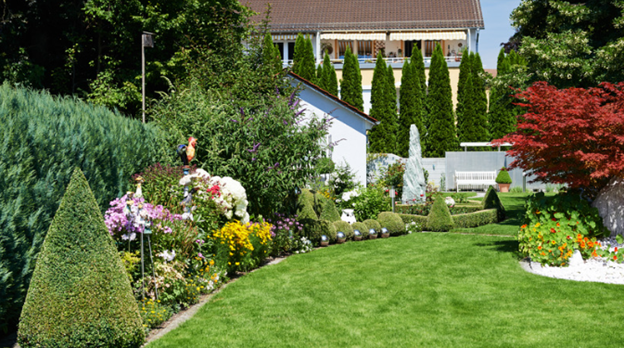
A genuinely sustainable outdoor space requires more than just plants and paving stones; it demands intention, precision, and expertise. This is where a landscape designer in Atlanta becomes essential. These professionals understand how to balance visual appeal with environmental responsibility, crafting outdoor areas that thrive over time while minimizing ecological impact. Their role is not just to beautify a space, but to make it work smarter, last longer, and contribute positively to the surrounding environment.
The Value Landscape Designers Bring to Outdoor Projects
Landscape designers evaluate much more than what looks good; they analyze topography, drainage, sunlight patterns, and native vegetation to develop comprehensive plans. Their process ensures that every element of the space aligns with both aesthetics and sustainability.
By working with the land’s natural features rather than against them, designers create functional spaces that require less maintenance, less water, and fewer resources over time. From plant selection to material sourcing, their approach reflects both technical skill and environmental awareness.
Applying Design Principles with Purpose
A well-crafted outdoor space is grounded in principles that ensure balance and harmony. The basic elements of landscape design, line, form, texture, color, and scale, are central to every project. When applied thoughtfully, they create spaces that feel natural, welcoming, and intentional.
Professionals don’t just use these elements for visual impact; they use them to shape flow, enhance usability, and support sustainable growth. This kind of design thinking ensures that every feature of the landscape serves a purpose, contributing to both beauty and long-term value.
Building Livable, Low-Impact Landscapes
Designers focus on creating outdoor spaces for people to use, whether for relaxation, gathering, gardening, or simply enjoying nature. They incorporate features like shaded patios, native gardens, permeable walkways, and integrated lighting in ways that respect the land and reduce environmental strain.
Every decision, from soil selection to irrigation layout, is based on sustainability. These choices reduce the need for excessive watering, chemical treatments, or constant upkeep, making the space efficient and cost-effective in the long run.
Creating Long-Term Value Through Sustainable Design
What sets professional design apart is the ability to think years ahead. Landscapes are dynamic; they grow, evolve, and change with the seasons. Designers address this by choosing long-lived plants, planning for drainage changes, and structuring the space to age well.
A sustainable outdoor space isn’t just a short-term enhancement; it’s an investment in your property’s future. With the right expertise, it becomes a living system that supports biodiversity, improves air quality, and adds enduring value to your home.
Conclusion
A sustainable landscape is not the result of guesswork; it’s the outcome of expert planning, thoughtful design, and environmental responsibility. Landscape designers bring these elements together, creating outdoor environments that are both beautiful and built to last. By combining foundational design principles with sustainable practices, they ensure that your outdoor space becomes a long-term asset that benefits both you and the ecosystem it’s part of.
Beyond the visual impact, a professionally designed landscape supports healthier soil, attracts native wildlife, conserves resources, and minimizes maintenance costs. It reflects a more profound commitment to living well while respecting natural systems. Whether you’re enhancing a residential garden or planning a larger outdoor environment, the involvement of a skilled designer guarantees that every square foot is purposeful, resilient, and environmentally sound.