

Mold can infiltrate any part of a structure, but two areas are especially vulnerable: basements and crawl spaces. While both share environmental risks. Moisture, darkness, and lack of ventilation. The way mold forms and spreads in each space is quite different. Understanding these differences is critical when hiring professional services for mold removal in Decatur to target the source and prevent recurrence.
Each area requires a unique approach to remediation and moisture control. Identifying where and how mold grows is the first step toward eliminating it permanently.
Crawl Space Mold: Trapped Moisture and Hidden Spread
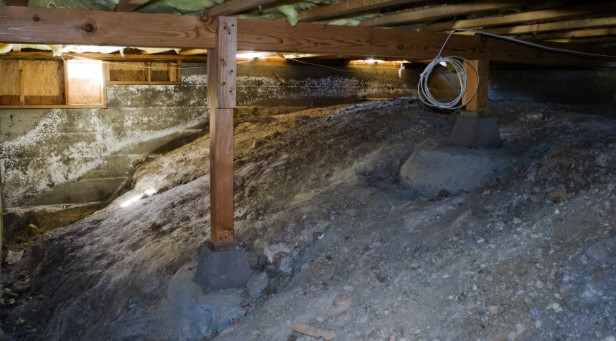
Crawl spaces are tight, enclosed, and often overlooked. Typically located beneath homes, crawl spaces are prone to high humidity due to poor air circulation and exposure to soil moisture. Mold in these spaces often forms on wooden beams, insulation, and subflooring. The challenge is that this mold spreads quietly and rapidly, often unnoticed until it begins affecting air quality throughout the home.
Compounding the issue, many crawl spaces are unfinished and unsealed, allowing moisture to enter freely through vents, cracks, or the ground itself. In these environments, mold doesn’t just remain confined. It contaminates ductwork and travels into living spaces.
Read More: The Role of Architecture in Luxury Home Construction
Basement Mold: Structural Risks and Surface-Level Growth
Basement mold tends to be more visible but no less harmful. Unlike crawl spaces, basements are more likely to be used as storage, living space, or laundry areas. Because of this, signs of mold. Such as wall stains, odor, or condensation. They are typically easier to spot. Still, the risks are significant. Leaks from foundation walls, sump pump failure, or improper drainage around the home can create a damp environment where mold thrives.
Mold in basements often appears on drywall, carpet, stored belongings, and concrete surfaces. If left untreated, it can compromise the integrity of building materials and affect nearby mechanical systems.
Understanding what can kill mold is helpful, but the real solution lies in treating the cause. Moisture. Professional remediation teams address the source of humidity, perform deep mold removal, and implement measures to ensure long-term dryness.
Key Differences in Treatment Strategy
Though both areas require mold removal, the treatment plan varies significantly.
- Crawl space remediation focuses on isolation and encapsulation. Technicians install vapor barriers, seal vents, and dehumidify the area to prevent future growth.
- Basement treatment typically includes structural drying, repairing leaks, and upgrading drainage systems. Finishing materials like drywall or carpet may need removal and replacement.
In both cases, attempting temporary surface-level fixes is ineffective. Without resolving the underlying moisture problem, mold will always return. Often more aggressively.
Why Professional Remediation Matters
The risks of untreated mold go beyond property damage. Crawl space mold can seep into HVAC systems and pollute the air you breathe. Basement mold can silently erode walls and foundations. Professional removal is more than cleaning. it’s containment, prevention, and restoration.
Experts use specialized tools to measure moisture levels, identify contamination zones, and ensure the problem is addressed at its core. They also tailor solutions depending on whether the issue is isolated to one area or part of a broader structural concern.
Conclusion
While crawl space and basement mold may seem similar, the differences in cause, visibility, and spread demand distinct strategies. Understanding these nuances helps ensure that the problem is fully addressed and prevented from returning. Professional remediation offers the insight, equipment, and execution needed to protect your home and health in both spaces, now and long term.
Ignoring mold in either area can lead to structural deterioration, rising energy costs, and chronic indoor air contamination. A tailored remediation plan not only resolves the current infestation but also reinforces your property against future threats. The longer the mold is left unchecked, the more expensive the damage becomes, making early, expert intervention the smart long-term move.