
Summer is coming in hot—and your air conditioner needs to be ready. Whether you’re a longtime homeowner or just settling into your first house, prepping your AC system before the heat hits is one of the smartest things you can do. A well-maintained unit keeps your home cool, your energy bills low, and your summer stress-free. So, here’s how to get started!
Clean or Replace Your Air Filters for Better Airflow
Your air filter is the first line of defense against dust, pollen, and pet dander. Over time, it gets clogged and forces your AC to work harder than it should. That means higher energy bills and less cooling power. Before summer arrives, check your filter and either clean or replace it.
Most filters should be changed every one to three months, depending on usage and household conditions. If you have pets or allergies, monthly replacement is best. A fresh filter improves airflow, boosts efficiency, and helps your system last longer.
Clear Debris Around the Outdoor Unit
Your exterior condenser unit needs room to breathe. Leaves, twigs, dirt, and overgrown plants can cause airflow blockage, reducing your AC’s performance. Take a few minutes to inspect the area around the unit. Trim back any vegetation at least two feet away and remove any debris sitting on or near the unit.
You can also gently rinse the exterior with a garden hose to clear off dust and grime. Just be careful not to bend the fins or damage any components. A clean and unobstructed outdoor unit helps your AC run smoothly all summer long.
Check Your Thermostat Settings and Batteries
Your thermostat is the brain of your cooling system. If it’s not working properly, your AC won’t either. Start by checking the settings. Make sure it’s set to “cool” and that the temperature is appropriate for summer comfort—usually between 72°F and 76°F.
If you have a programmable or smart thermostat, update your schedule to match your summer routine. Also, don’t forget to check the batteries. Weak or dead batteries can cause your thermostat to malfunction or lose settings. A quick battery swap can prevent a lot of headaches later.
Inspect and Clean the Evaporator and Condenser Coils
Dirty coils can seriously impact your AC’s efficiency. The evaporator coil is inside your home, extracting heat from the air. Meanwhile, the coil outside your home, the condenser coil, is the one discharging the heat. When either coil is covered in dirt or dust, the system has to work harder to cool your home.
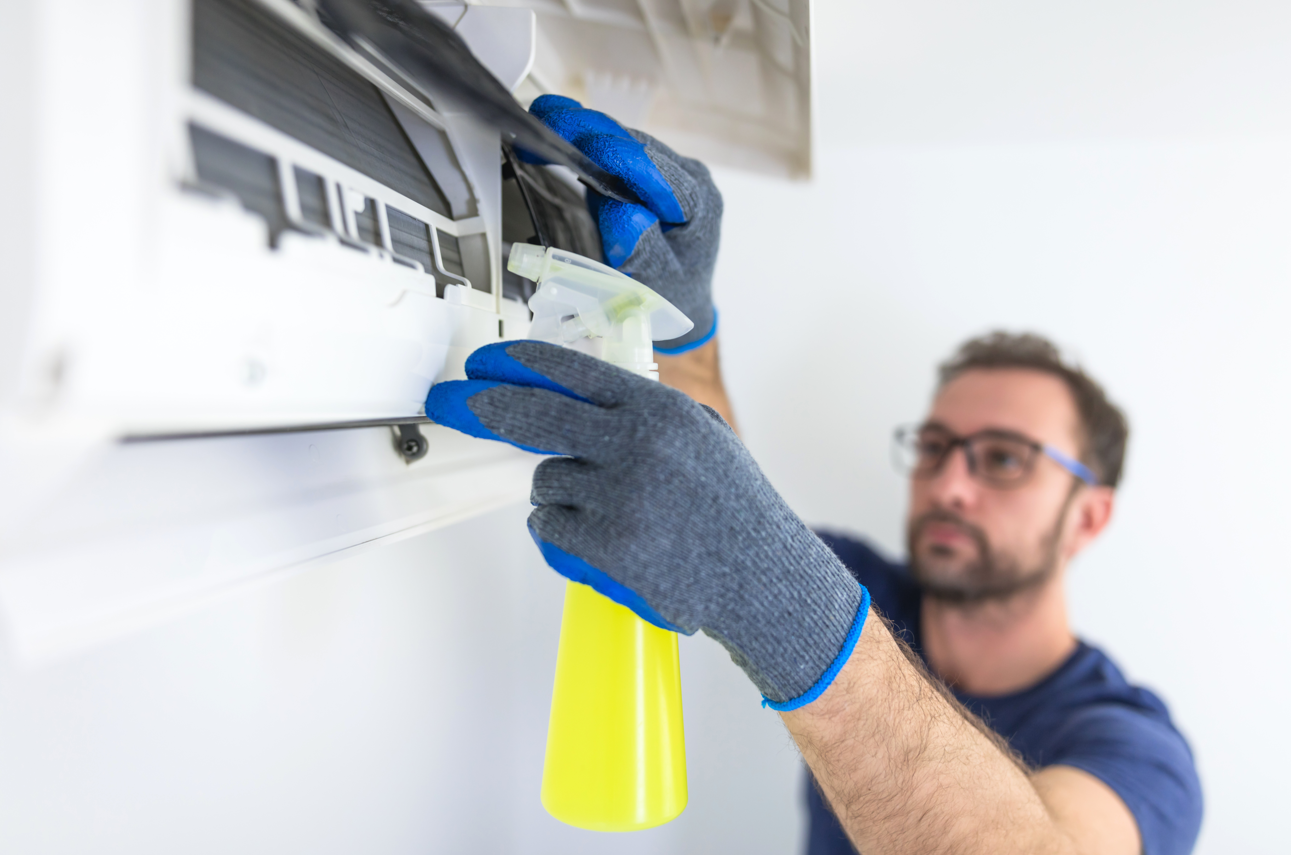
If you’re comfortable doing it yourself, turn off the power and gently clean the coils with a soft brush or coil cleaner. If not, consider scheduling a professional cleaning. Clean coils improve cooling performance and reduce wear and tear on your system.
Test Your System Early to Catch Problems
Don’t wait until the first heatwave to turn on your AC. Test it early—ideally in late spring—to make sure everything is working. Turn it on and let it run for at least 15 minutes. Listen for strange noises, check for weak airflow, and monitor how quickly it cools your space.
If something feels off, it’s better to address it now than in the middle of a sweltering July afternoon. Early testing gives you time to fix issues before they become emergencies.
Address Problems Before Summer Starts
Catching repair issues early can save you from major headaches once the summer heat sets in. Many homeowners wait until their AC system fails during a heatwave, but by then, repair wait times are longer and costs can climb. If you notice anything unusual, don’t delay. Reach out to repair professionals from companies like A&K Service Inc, who specialize in diagnosing and fixing AC problems before they escalate.
Trained technicians can inspect your system, identify hidden faults, and recommend the right solutions. Early intervention not only prevents breakdowns but also helps your unit run more efficiently throughout the season. By addressing repair problems before summer hits, you’ll enjoy uninterrupted comfort and peace of mind.
Seal Leaks and Improve Insulation for Maximum Efficiency
Your air conditioner works hard to cool your home—but if cool air is escaping, it’s wasting energy. Check for leaks around windows, doors, and ductwork. Use weatherstripping or caulk to seal gaps and keep conditioned air inside.
Also, consider adding insulation to your attic or walls if needed. Proper insulation keeps your home cooler in summer and warmer in winter. It reduces the load on your AC and lowers your energy bills year-round. A well-sealed home makes your cooling system more effective and your living space more comfortable.
Keep an Eye on Energy Bills and Performance
Once summer starts, monitor your energy usage. A sudden spike in your bill could mean your AC is struggling. Pay attention to how long it runs, how cool your home feels, and whether any rooms are warmer than others. These signs can point to problems like low refrigerant, dirty filters, or duct issues.
If you notice anything unusual, don’t ignore it. Addressing small issues early can prevent bigger problems later. Staying alert helps you maintain comfort and control costs throughout the season.
Conclusion
Preparing your air conditioner for peak summer season isn’t just about comfort—it’s about confidence. With a few simple steps and the help of trusted professionals, you can enjoy a cool, efficient, and worry-free summer. Don’t wait until the heat is unbearable. Start now, and give your AC the care it needs to keep your home feeling just right.
Apart from that, if you want to know more about Extending the Life of Your Essential Home Appliances then visit our Home improvement category.