

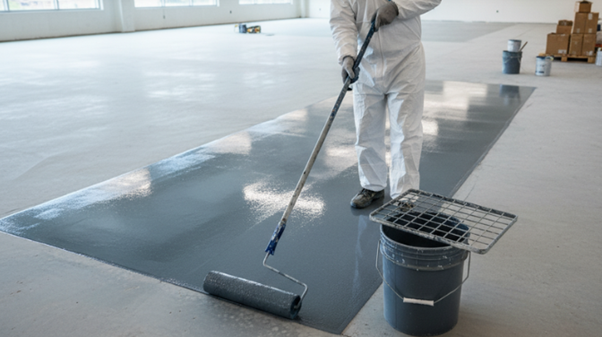
Concrete structures form the foundation of modern infrastructure, from bridges and buildings to parking decks and industrial floors. However, over time, exposure to water, chemicals, and environmental stressors can degrade even the most robust concrete. Professional maintenance is key to extending the life of these structures, and one of the most effective ways to achieve this is through concrete protective coating. These coatings create a durable barrier that shields surfaces from corrosion, abrasion, and chemical damage, ensuring long-term stability and performance.
Understanding the Need for Protection
Concrete, though inherently strong, is porous by nature. This allows moisture, salts, and other contaminants to penetrate the surface, leading to structural weakening, spalling, and cracking. Over time, these issues compromise safety and aesthetic value. Protective coatings address these vulnerabilities by sealing the surface and preventing ingress, thereby preserving the concrete’s structural integrity.
Professionals across the construction, maintenance, and industrial sectors use coatings not only for protection but also for enhanced appearance. A properly coated surface not only resists damage but also looks clean and well-maintained, which is critical for both functional and visual appeal.
Enhancing Durability Through Advanced Formulations
Modern concrete coatings are engineered with advanced polymers, epoxies, and urethanes that bond securely to the substrate. This creates a seamless, long-lasting finish that resists peeling, cracking, and wear. These formulations provide excellent adhesion and elasticity, allowing the coating to move with the concrete’s natural expansion and contraction without compromising protection.
They also offer resistance against chemicals, oil, and harsh weather conditions, making them ideal for industrial facilities, parking structures, and marine environments. The coating’s impermeable layer prevents carbonation and chloride intrusion, two leading causes of reinforced concrete deterioration.
Improving Aesthetics and Functionality
Beyond protection, coatings significantly improve a structure’s visual appeal. High-quality finishes enhance color uniformity and brightness, giving concrete a polished and professional look. In commercial environments, these coatings contribute to a cleaner, more organized appearance while supporting safety through options such as anti-slip finishes.
Professionals often prioritize coatings that balance aesthetics with performance, especially in environments where both function and presentation are critical. Choosing the right coating system ensures long-term benefits and reduces the need for frequent resurfacing.
Choosing the Right Coating for Exterior Applications
Not all concrete coatings are created equal. The selection depends on the surface type, environmental exposure, and desired performance characteristics. Professionals must consider factors like moisture vapor transmission, UV exposure, and mechanical load when selecting the optimal coating system.
A well-informed selection process ensures that the applied product delivers both durability and visual consistency. Understanding how to achieve the perfect finish when painting exterior concrete can help professionals identify products tailored to specific structural and environmental requirements, ensuring that each project meets performance standards efficiently.
Sustainability and Long-Term Value
Protective coatings also play a significant role in sustainable construction practices. By extending the service life of existing structures, they reduce the need for replacement materials and minimize construction waste. Many contemporary coatings are low-VOC and environmentally responsible, aligning with green building certifications and modern environmental standards.
Long-term cost efficiency is another advantage. The reduced frequency of repairs and maintenance translates into substantial savings over a structure’s lifespan. Moreover, coated surfaces are easier to clean and maintain, lowering operational costs while maintaining performance and appearance.
Applications Across Industries
Concrete protective coatings are widely used across multiple sectors, including transportation, manufacturing, marine, and commercial construction. Parking garages benefit from anti-abrasive and water-resistant coatings, while industrial facilities rely on chemical-resistant formulations to protect against spills and corrosion.
In infrastructure projects such as bridges and tunnels, coatings prevent structural degradation from deicing salts and environmental pollutants. Their versatility makes them an essential investment for professionals seeking to maintain both functionality and compliance with safety regulations.
Conclusion
Concrete protective coating is more than a surface treatment; it is a strategic investment in structural longevity and performance. By forming a resilient barrier against environmental and chemical damage, these coatings preserve both the strength and aesthetics of concrete surfaces. For professionals managing infrastructure, industrial facilities, or commercial properties, applying the right coating ensures sustainability, cost efficiency, and visual appeal, ultimately reinforcing the value and durability of every structure.