
Water damage is one of the most stressful situations a homeowner can face. Whether it’s from a burst pipe, heavy rain, or an appliance malfunction, the effects can be overwhelming. If not handled properly, water damage can lead to mold growth, structural issues, and expensive repairs. So, what can you do if your home suffers water damage? Let’s discuss the essential steps you should take to restore your home and minimize long-term damage.
Immediate Actions to Take
1. Ensure Safety First
Before you jump into cleanup mode, safety should be your priority. Water damage can create electrical hazards and weaken structural integrity.
- Turn off the power: If water has reached electrical outlets or appliances, switch off the power at the main breaker.
- Check for structural damage: If there are visible cracks, sagging ceilings, or walls that appear weak, evacuate and seek professional help.
- Use protective gear: Gloves, boots, and masks can protect you from contaminants in the water.
2. Identify the Source of Water Damage
Understanding where the water is coming from helps determine the best course of action. There are three main types of water damage:
- Clean Water: Comes from sources like broken pipes or rainwater and is generally safe.
- Gray Water: From dishwashers, washing machines, or sump pump failures, containing some contaminants.
- Black Water: From sewage backups or floodwaters, highly contaminated and hazardous.
If the water is from a safe source, you may proceed with cleanup. However, if it’s gray or black water, professional assistance is strongly recommended.
3. Stop the Water Flow
If the damage is due to a burst pipe or a leaking appliance, shut off the water supply immediately. Knowing where your home’s main water shutoff valve is located can save you from extensive damage and costly basement repair in Davenport during emergencies.
Drying and Cleaning Up
4. Remove Standing Water
Quickly removing excess water is critical to preventing mold growth and further damage. Use:
- Buckets or mops for small amounts of water.
- Wet/dry vacuums for larger areas (avoid using regular household vacuums).
- Professional water extraction services for severe flooding.
5. Improve Air Circulation
Proper airflow speeds up the drying process and helps prevent mold.
- Open windows and doors for ventilation.
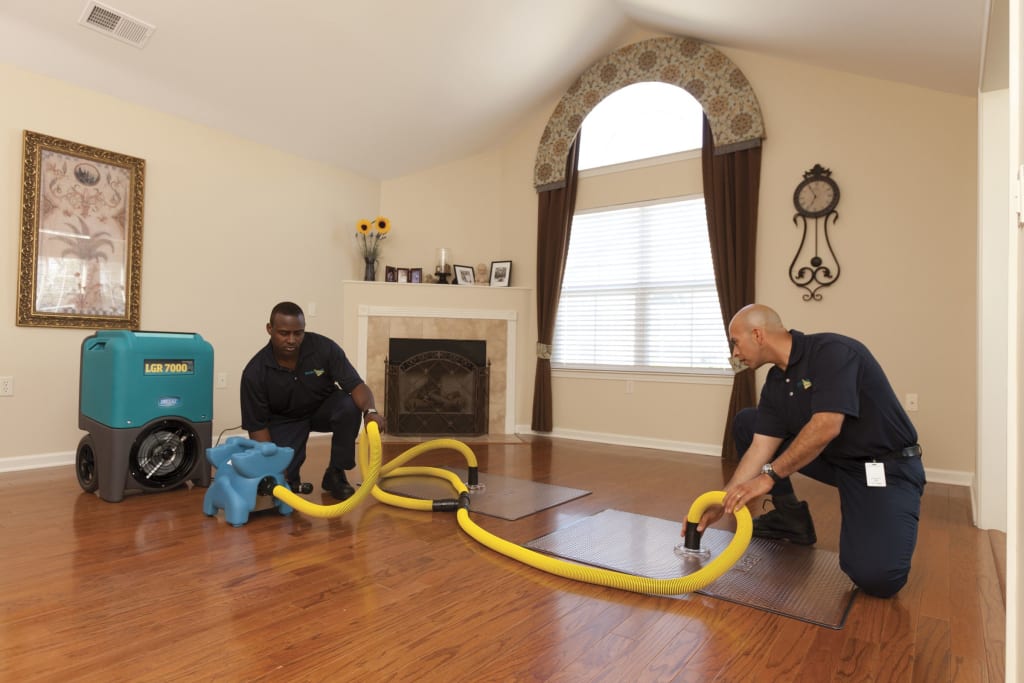
- Use fans and dehumidifiers to remove moisture from the air.
- If possible, turn on the air conditioning to help with humidity control.
6. Salvage What You Can
Certain materials can be saved if dried quickly, while others may need to be discarded.
- Furniture: Wooden furniture can sometimes be restored, but upholstered pieces may need replacement if soaked.
- Carpets and Rugs: Small rugs can be cleaned and dried, but wall-to-wall carpeting may require removal if waterlogged.
- Documents and Photos: Lay them out in a dry space or use freeze-drying techniques to prevent further damage.
Preventing Mold and Future Damage
7. Disinfect the Area
Water damage can leave behind bacteria and mold spores. Clean all affected surfaces with a mixture of bleach and water or a commercial disinfectant. Pay special attention to walls, baseboards, and any porous materials that absorbed water.
8. Inspect for Mold Growth
Mold can develop within 24-48 hours of water exposure. Signs of mold include:
- Musty odors
- Dark spots on walls or ceilings
- Allergy-like symptoms when inside the home
If mold is present, consult a professional for proper remediation.
9. Check Structural Integrity
After water removal and drying, inspect your home’s foundation, walls, and floors for lingering damage. Warped flooring, cracks, or weakened drywall may require repairs to ensure your home remains safe.
10. Improve Future Water Resistance
To minimize the risk of future water damage, consider:
- Installing a sump pump if you live in a flood-prone area.
- Sealing basement walls with waterproof coatings.
- Keeping gutters and downspouts clean to direct water away from your home.
- Checking and maintaining appliances, plumbing, and your roof regularly.
When to Call Professionals
While minor water damage may be manageable, certain situations require expert intervention:
- Water has been standing for more than 24 hours.
- The damage affects multiple rooms or floors.
- Mold is visible or suspected.
- The water is from a contaminated source (black or gray water).
Professional restoration companies have the equipment and expertise to handle large-scale water damage effectively. They can also assist with insurance claims, ensuring you get the necessary support for repairs.
Conclusion
Water damage can be overwhelming, but acting fast can prevent lasting harm to your home. By following these steps—ensuring safety, stopping water flow, drying thoroughly, and preventing mold—you can restore your home efficiently. Have you ever faced water damage before? What steps helped you the most? Share your experience, and let’s discuss how to be better prepared for the future!
Apart from that if you want to know about Common Mistakes to Avoid When Getting a Roof Replacement” then please visit our Home improvement Category.