

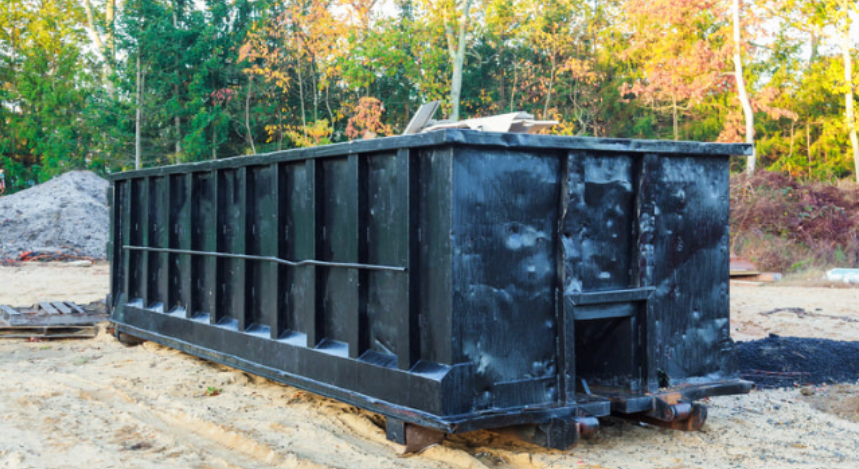
Managing scrap efficiently starts with optimizing the loading, transportation, and processing of materials. When working on industrial, commercial, or construction projects, understanding how to make the most of roll-off containers directly impacts both productivity and profit. Professionals who handle metal waste know that space efficiency translates into fewer hauls and better returns. Whether you’re coordinating large-scale demolition or ongoing facility cleanups, working with a roll-off for scrap metal in Kennesaw ensures your containers are utilized to their full capacity while maintaining safety and compliance.
Understanding Load Distribution in Roll-Off Containers
Proper load distribution is essential for maximizing space and ensuring safe transport. Unevenly distributed materials create risks during handling, transport, and unloading. The goal is to achieve balanced weight throughout the container while ensuring no section is overloaded.
Heavier materials, such as steel beams or cast iron, should be placed at the bottom to create a stable base. Lighter metals, such as aluminum, or sheet components, can then be layered on top. This approach not only secures the load but also prevents damage to lightweight materials that might otherwise get compressed or distorted.
Sorting and Preparation Before Loading
Organizing materials before loading makes a significant difference in how much can fit inside a roll-off container. Separating ferrous and non-ferrous metals enables better stacking and ensures the value of each material is preserved. Proper preparation minimizes wasted space and improves efficiency once the load reaches the processing facility.
Cutting or dismantling significant components before placement further improves space usage. Oversized machinery parts or long pipes often leave empty gaps when placed irregularly. By reducing these materials into manageable pieces, you can fill voids more effectively, optimizing capacity and stability. Understanding how to choose the right size roll-off dumpster for your scrap metal project also helps avoid unnecessary costs. Selecting the correct container size prevents overflow, underuse, and additional hauling fees, key factors in maintaining cost control during large-scale operations.
Techniques for Maximizing Load Capacity
Strategic loading techniques directly influence how efficiently you use container space. Start by flattening or compacting materials wherever possible, as loosely packed metals reduce overall capacity. When stacking, place the heavier, denser metals at the base, followed by lighter items and smaller scraps to fill any remaining gaps.
If you’re handling mixed materials, grouping similar items helps prevent air pockets from forming. For example, stacking uniform sheet metal flat across the bottom ensures stable layering. Avoid random placement; methodical loading always produces better capacity results. When space is limited, consider consolidating smaller loads into a single container. Roll-off containers are designed to handle dense materials, and maximizing each trip significantly reduces downtime between hauls.
Safety and Compliance Considerations
While maximizing capacity is important, maintaining safety standards and compliance with hauling regulations remains essential. Overfilling a container can lead to material spillage, unsafe transport, or additional disposal fees. Always keep loads within the fill line and ensure materials are secured for transit.
Sharp or protruding objects should be positioned inward to prevent hazards during pickup or unloading. Metal straps and fasteners can be used to stabilize large or irregularly shaped items. Roll-off containers are built for heavy-duty use, but proper loading technique ensures their longevity and safety for all involved. Additionally, maintaining communication with hauling operators ensures accurate weight estimates before pickup. This prevents overloading that could lead to rejected hauls or fines. Professional operators rely on consistent load distribution for smooth handling and efficient turnaround times.
Conclusion
Maximizing load capacity in roll-off containers is a balance of strategy, preparation, and precision. By properly sorting materials, evenly distributing weight, and using every available inch of space, you reduce costs and improve operational efficiency. Collaborating with a roll-off for scrap metal provides the expertise, equipment, and logistics needed to handle scrap effectively while maintaining safety and compliance. The result is a streamlined workflow that transforms efficient metal handling into measurable business value.