

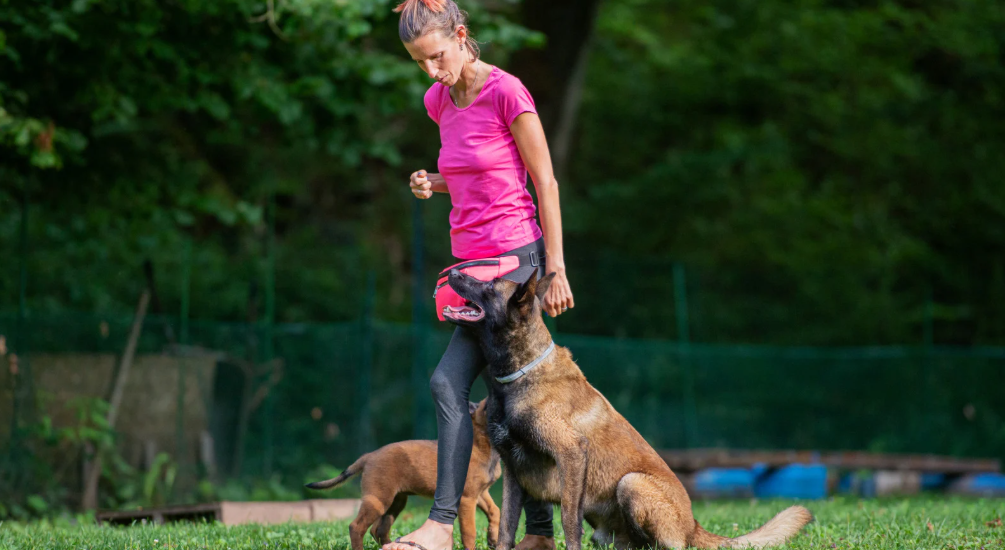
High-pressure environments demand composure, precision, and unwavering focus, qualities that professional working dog training is designed to instill. Whether in law enforcement, search and rescue, or security operations, working dogs undergo rigorous conditioning that transforms instinct into controlled, dependable performance. These dogs are not born ready for the demands of their roles; they are shaped through structured training that refines their natural capabilities into professional reliability.
The Foundation of Reliability
The core of effective working dog training lies in consistency. Dogs thrive on structure, and professional trainers leverage that trait to create predictable patterns of response under variable conditions. This conditioning process involves repetition, task reinforcement, and environmental desensitization, each stage contributing to stability and composure.
Through methodical reinforcement, dogs learn to respond to their handlers’ commands with precision, even in environments filled with distractions or threats. The objective isn’t just obedience, it’s developing a mindset of composure under stress. This level of reliability is what differentiates a well-trained working dog from one with only basic behavioral instruction.
Developing Mental Fortitude and Focus
Training for high-pressure performance requires more than teaching commands; it builds mental resilience. Professional trainers expose dogs to controlled simulations that replicate real-world stressors, loud noises, sudden movements, and unpredictable environments. Over time, this exposure reduces reactivity and enhances focus.
Each stage of the importance of working dog breeds plays a part in developing the right temperament for demanding tasks. Breeds like German Shepherds, Belgian Malinois, and Labradors are often selected for their intelligence, adaptability, and drive. However, without structured training, even the most capable breed can underperform in critical situations. It’s the combination of genetics and professional conditioning that creates true operational readiness.
Strengthening the Handler-Dog Connection
A major aspect of working dog development is handler synchronization. Training ensures that commands, cues, and expectations are clearly communicated and consistently reinforced. The relationship between handler and dog must be built on trust, respect, and predictability. When a dog trusts its handler, it performs not out of fear or obligation, but from confidence and understanding.
This synergy is what allows working dogs to function seamlessly under pressure. The handler becomes the dog’s anchor, providing stability and direction when external factors intensify. Together, they form a cohesive unit capable of managing complex, high-risk operations efficiently.
Precision Under Pressure
True performance reliability manifests when instinct, discipline, and trust converge. Professionally trained working dogs can switch from passive observation to rapid response without losing composure. They’re trained to make quick, accurate decisions while maintaining control, ensuring that their reactions remain both effective and safe.
This precision is critical in missions where timing and accuracy determine outcomes, be it detecting explosives, tracking individuals, or providing protection. Each movement is the result of deliberate, ongoing conditioning reinforced by professional oversight.
Final Thoughts
Working dog training is more than a routine; it’s a process of building dependability through discipline, structure, and mutual trust. The result is a dog that not only performs under pressure but thrives in it. Through expert conditioning and handler collaboration, these dogs embody the highest standard of operational readiness, demonstrating that reliability is not just trained but meticulously crafted through professional expertise and unwavering consistency.