

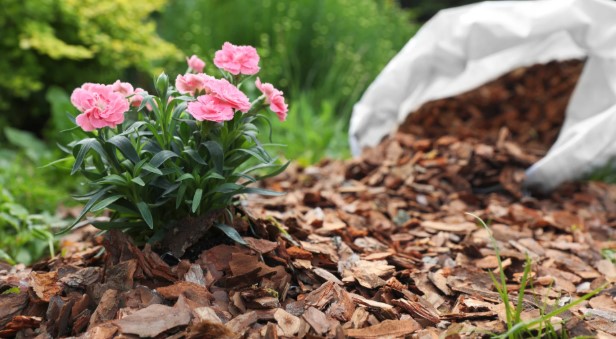
Maintaining consistent moisture levels in garden beds is crucial for healthy plant growth, especially during periods of high heat or irregular rainfall. One of the most effective ways to manage this is by using mulch, a material long valued by landscape professionals for its ability to protect soil, regulate temperature, and reduce water loss. In areas like mulch in Johns Creek, where seasonal shifts can be unpredictable, mulch acts as a frontline defense against moisture evaporation and soil degradation.
How Mulch Reduces Water Loss
Mulch forms a barrier between the soil and the surrounding environment, helping reduce evaporation caused by direct sunlight and wind exposure. When applied correctly, it creates a buffer zone that insulates the root area, allowing the soil to retain water for longer periods without requiring constant irrigation. This is especially beneficial in gardens exposed to full sun or planted on slopes where runoff is more common.
By reducing water loss at the surface, mulch ensures that roots have continuous access to moisture, which promotes stronger, more resilient plant development over time.
Read More: The Role of Lawn Mowing Patterns and Striping for High-End Yard Aesthetics
The Role of Organic Mulch in Retaining Moisture
Organic mulches, such as pine bark, hardwood chips, and shredded leaves, are particularly effective at retaining moisture due to their structure. They allow water to pass through while minimizing evaporation, creating a moist environment beneath the surface that benefits root systems.
Over time, as these mulches break down, they also contribute to soil health by increasing organic matter and supporting beneficial microbial activity. This improved structure enhances the soil’s natural water-holding capacity, further supporting consistent hydration.
Moisture Control as Part of a Broader Landscape Strategy
While moisture retention is a major advantage, mulch also contributes to a range of landscape benefits, including weed suppression, erosion control, and soil insulation. These layered effects make it a critical element in maintaining healthy planting beds with less intervention.
For many property owners, understanding the benefits of lawn and why mulching is important often comes down to its impact on long-term soil performance. It’s not just a surface treatment; it’s a foundational practice that supports deeper, more efficient root systems and reduces water waste.
Professional Application Maximizes Results
Effective mulching isn’t just about the material; it’s about the method. Professionals apply mulch at the correct depth (usually 2 to 4 inches) depending on the type of mulch and the condition of the beds. Too shallow, and it won’t insulate or retain moisture effectively. Too deep, and it can hinder water penetration or promote disease.
Edges and plant bases are carefully handled to ensure mulch doesn’t pile up against stems or trunks, which can cause rot or attract pests. These technical details matter and are best handled by experienced teams who understand regional soil behaviors and climate demands.
Conclusion
Mulch plays a critical role in water conservation for garden beds, offering a simple but effective solution to minimize evaporation and stabilize moisture levels. Its ability to protect the soil, support plant health, and reduce dependency on frequent irrigation makes it a smart investment in landscape longevity.
In places like Johns Creek, where conditions vary and expectations for landscape quality are high, mulch remains a core part of professional-grade soil management. When selected and applied with expertise, it becomes a powerful tool for supporting healthy, low-maintenance gardens that thrive in any season.